Nigeria's energy sector is changing hands. International oil companies have sold onshore and shallow-water assets to Nigerian companies, gas is being developed for domestic use and export, and power is moving to state markets and distributed generation. Each of these deals depends on regulatory approvals, carefully negotiated contracts and financing that lenders will accept.
Acquisitions and divestments
- Buying and selling interests in oil and gas licences and leases, and the companies that hold them
- Legal and regulatory due diligence on assets, licences and liabilities, including decommissioning and environmental exposure; see corporate due diligence
- Ministerial consent and NUPRC or NMDPRA approvals for assignments and changes of control
- FCCPC merger approvals where required; see competition and merger control
- Acquisitions of power generation and distribution assets
Gas and power agreements
- Gas sales, supply and aggregation agreements
- Gas transportation and processing agreements
- Power purchase agreements with distribution companies, bulk traders and large customers
- Energy service and captive power agreements for industrial and commercial users
- Crude oil and product offtake, storage and throughput agreements
Energy projects
- Joint operating agreements, farm-ins and partnership structures
- Engineering, procurement and construction (EPC) contracts and operation and maintenance agreements; see construction contracts
- Land, right of way and host community arrangements
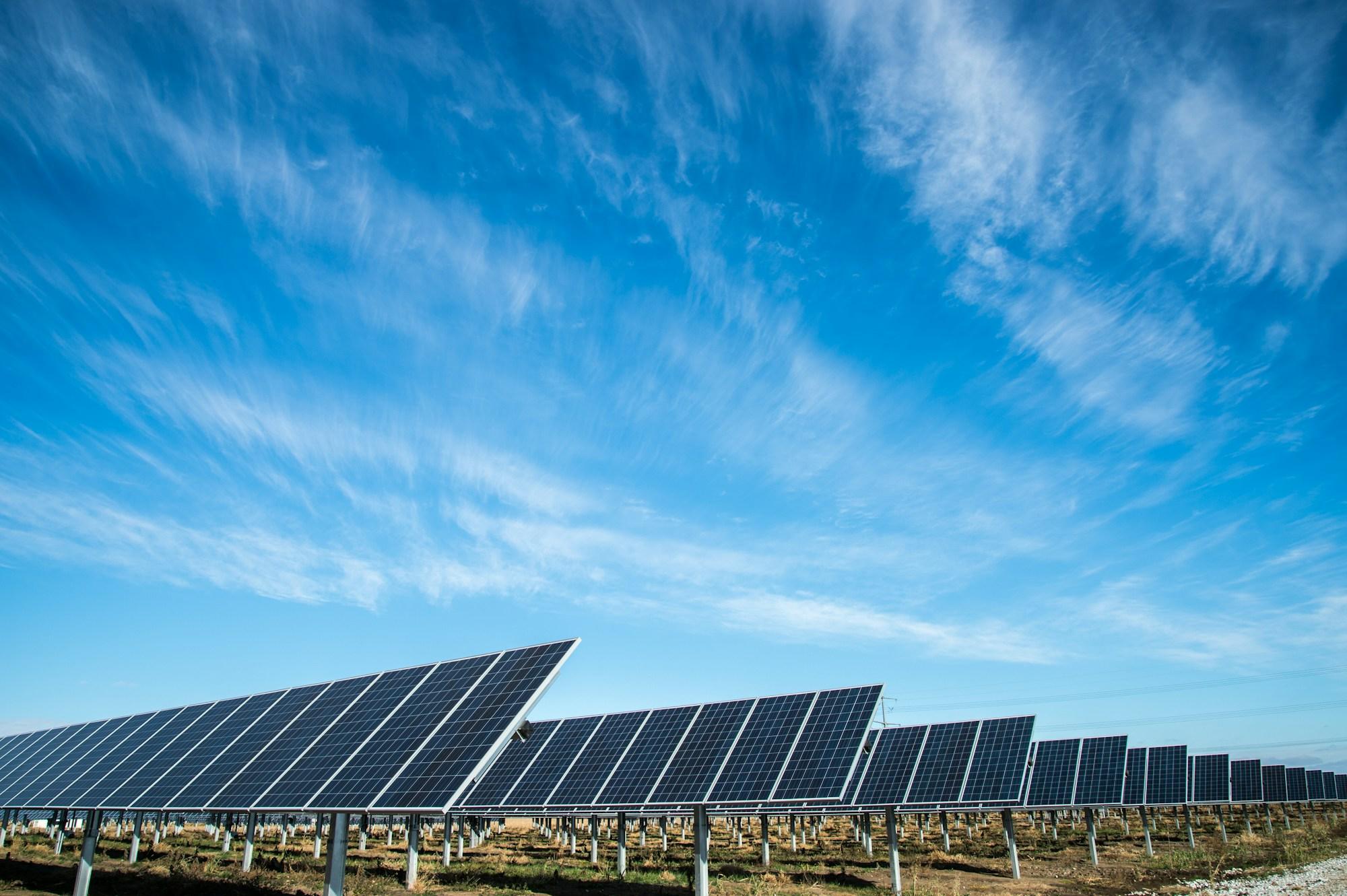
- Renewable energy, solar, mini-grid and gas-to-power projects
Financing
- Reserve-based lending and acquisition finance for oil and gas assets
- Project finance for power and gas infrastructure
- Security over licences, assets and revenues, and the regulatory consents lenders need
Energy disputes
When deals or projects go wrong, we act in arbitration and litigation over joint venture disputes, unpaid invoices under gas and power contracts, and regulatory decisions.